What Should I Write in My Trading Journal for Each Trade?
A trading journal is more than a list of entry prices and profits. It is a record of what you saw, what you planned, what you did, and what happened next. The goal is not to prove that every trade was right. It is to learn whether your decisions followed a repeatable process—and where that process needs work.
For each trade, capture the market context, your reason for entering, your risk plan, your emotions, and the final outcome. Include screenshots and notes about price action, trend alignment, support and resistance, and indicator signals. A journal that records only wins and losses cannot tell you whether a good decision happened to lose or a poor decision happened to win.
Before you enter, ask yourself: Where is the invalidation level? Then wait for the candle close if your plan requires one. These two habits can make your journal much more useful because they turn vague ideas into decisions you can review.
Why Keep a Trade-by-Trade Journal?
Your memory is selective. You may remember a big winning trade clearly and forget the small rule-breaking trades that came before it. Pretty simple.. A journal creates a consistent record you can review without relying on hindsight.
It can help you answer practical questions: Do you perform better in a clear trend or a range? Do you enter before candle confirmation? Are your stop losses placed at logical invalidation points? Do trades near resistance perform differently from trades with open space to the next level? Over time, your notes can reveal patterns in your decisions—not guarantee future results.
Keep the process simple enough to repeat. A short, complete entry written after each trade is more valuable than an elaborate template you abandon after a week.
What to Record for Every Trade
1. Basic Trade Details
Start with objective facts. These help you sort and compare trades later, especially if you trade more than one market or strategy.
- Date and time: Record the time zone as well as the time.
- Instrument: Write the market or ticker, not just “index” or “currency.”
- Direction: Long or short.
- Timeframe: Note the chart timeframe used for the entry and, if relevant, the higher timeframe used for context.
- Strategy or trade type: For example, trend pullback, range reversal, or breakout retest.
- Account or venue: Record where you placed the trade if that matters to your review. For example, if you compare execution across services such as GCC Exchange or TMGM, note the relevant account and product details rather than assuming different venues are interchangeable.
Keep these details factual. Your journal should make it possible to filter trades by instrument, session, strategy, and timeframe without guessing what you meant.
2. Market Context and Trend Alignment
Write down what the market was doing before you considered an entry. Was price trending, ranging, or moving through a transition? What was the higher-timeframe direction? Was your trade aligned with that lower highs lower lows direction, countertrend, or taken inside a range?
Moving averages can help describe trend context, but they do not make the decision for you. Record which moving averages you use and what they showed—for example, whether price was above or below them, whether they were sloping, and whether they were tangled in a choppy range. Avoid writing only “bullish because of moving averages.” Explain what price itself was doing too.
Market structure adds another layer. Note whether price was making higher highs and higher lows, lower highs and lower lows, or failing to establish a clear sequence. If you are taking a countertrend trade, write down why you believe the existing structure may be changing and what evidence would prove that idea wrong.
3. Support, Resistance, and Nearby Obstacles
Mark the important support and resistance zones you saw before entering. These are usually areas, not magically precise lines. Note how you identified them: prior swing highs or lows, a range boundary, a repeated reaction area, or another rule in your plan.
Then record the space between your entry and the next meaningful obstacle. A long trade directly below resistance, for example, may have less room to develop than one with clear space above. A short trade approaching support has the same issue in reverse. This context matters even when an indicator gives a signal.
Do not blame an indicator after a trade if you ignored nearby resistance that was visible beforehand. Write down the level before the outcome is known. That makes it easier to evaluate whether the trade had a reasonable path to its target.
4. The Trade Thesis and Indicator Evidence
Let me tell you about a situation I encountered thought they could save money but ended up paying more.. Explain why the trade was worth considering in one or two clear sentences. A useful thesis connects the market context to a specific trigger. For example: “Higher timeframe is making higher lows; price pulled post trade analysis checklist back to a prior support zone; I will consider a long only if the entry timeframe closes back above the level.”
Record indicator signals as supporting information, not as a complete setup by themselves. If you use the Xhmaster Formula Indicator, document what signal appeared, on which timeframe, and what price action or market structure confirmed it. A signal without context is just an alert: it does not explain whether the trade fits your plan, where risk belongs, or whether an obstacle is nearby.
Write down what would cancel the idea. This is your invalidation level or condition. It might be a price level beyond a swing point, a candle close back through a zone, or another predefined rule. Be precise enough that you can tell later whether the trade thesis was invalidated.
5. Entry Price and Candle Close Confirmation
Record the planned entry price and the actual entry price separately if they differ. Add the trigger that led you to execute: a retest, a break of a level, a rejection candle, or a candle closing above or below a zone. Note whether you entered during the candle or waited for it to close.
For a close-based strategy, do not count an intrabar move as confirmation. A candle can look decisive before the close and finish somewhere else. Write down the closing price or the condition met at the close, then record how you executed. This lets you review whether waiting for confirmation improved your discipline, even if it did not make every trade profitable.
Also record any execution details that matter to your method, such as slippage or a late entry. Do not rewrite the original plan afterward to make the actual entry look intentional.
6. Stop Loss, Risk, and Planned Exit
Log the stop loss price, the reason it belongs there, and the amount you were prepared to risk. A stop should relate to the trade idea’s invalidation—not simply to a comfortable dollar amount or a round number. If the stop is too far away for your risk limit, reducing position size or skipping the trade may be more sensible than placing the stop at an arbitrary spot.
Ever notice how record your planned target or exit rule and the intended risk-to-reward relationship. If you manage the trade in stages, write those rules before the trade develops. For example, note whether you plan to take partial profits, trail a stop, or exit on a close back through a level.
Separate the planned risk from what actually happened. Did you move the stop? Did you close early? Did you add to the position? The journal should show the real sequence, including decisions that departed from the plan.
7. Emotions and Rule-Following
Briefly note your emotional state before, during, and after the trade. Use plain descriptions such as “rushed,” “hesitant,” “calm,” or “trying to recover a loss.” The purpose is not to judge yourself. It is to notice whether certain states repeatedly lead to poor execution.
Score your rule-following separately from the result. A simple scale—such as followed, partly followed, or did not follow—can work. A losing trade that followed a sound plan may be a good process trade. A winning trade taken impulsively may still be a warning sign.
A Simple Trade Journal Template
Journal field What to write Market and timeframe Instrument, session, entry timeframe, and higher-timeframe context Trade thesis Why the trade fits your plan; trend and structure observations Key zones Nearby support, resistance, and the next likely obstacle Signal and confirmation Indicator evidence, price action, and whether the candle closed as required Entry price Planned and actual entry, plus the trigger for execution Risk plan Stop loss, invalidation level, position risk, and planned exit Management Changes made to the position and the reason for each change Final outcome Exit price, result in money or risk units, and whether rules were followed Review note One lesson or adjustment to test—not an excuse or a new rule invented from one tradeHow to Record the Final Outcome
When the trade is closed, record the final outcome in more than one way. Include the realized result in your account currency and, if you use it, in “R”—the result measured against the amount initially risked. Also note the exit price, fees or other relevant costs, and whether the planned exit was followed.
Then assess the process separately from the profit or loss. Ask:
- Did the trade thesis match what the market was doing?
- Did I wait for the confirmation my plan requires?
- Was the stop loss placed at a meaningful invalidation point?
- Did I account for nearby support or resistance?
- Did I manage the trade according to my rules?
A single result does not prove that a strategy works or fails. Look for patterns across a meaningful sample of similar trades, and be cautious about changing your rules after one exciting win or painful loss.
Use Screenshots and Review Notes
Save a chart image from before entry, if possible, and another after the trade closes. Mark the entry price, stop loss, target, key zones, and the candle that confirmed or invalidated the idea. A before-trade screenshot preserves what you actually saw; a post-trade screenshot shows how price developed.
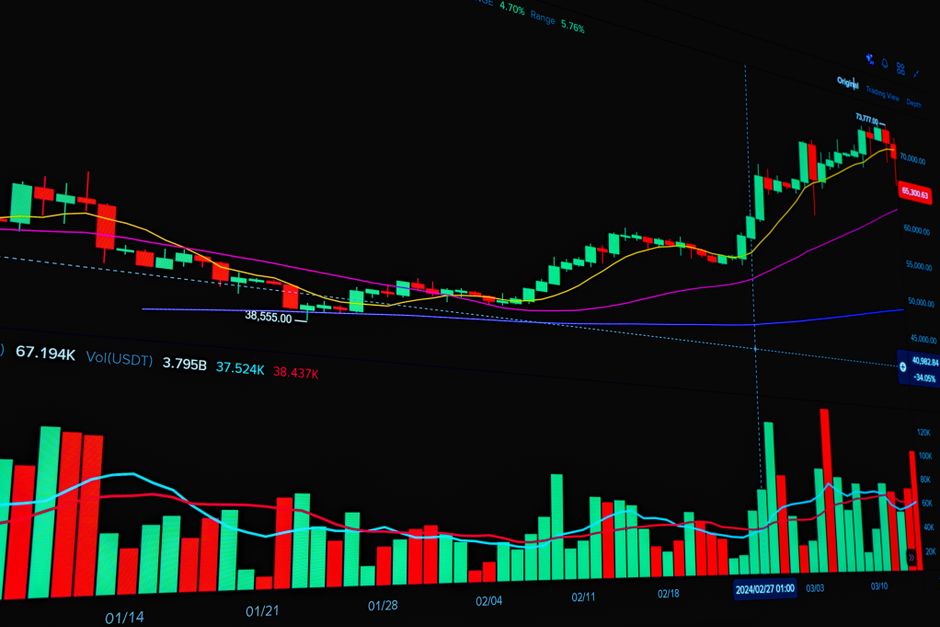
At the end of each week or month, review trades by strategy, market condition, and execution quality. Look for repeatable observations, such as “I often enter before the candle close” or “my longs struggle when resistance is too close.” Treat these as questions to investigate, not automatic proof. If you test a change, record it and evaluate it over a suitable sample.
Keep the Journal Honest and Useful
The best trading journal is clear, consistent, and honest. Record the plan before the trade, including the entry price, stop loss, nearby levels, confirmation rules, and the invalidation level. Afterward, document the final outcome and whether you followed the plan.
Do not use your journal to claim guaranteed results or to turn every indicator alert into a trade setup. Indicators—including the Xhmaster Formula Indicator and moving averages—need confirmation from price action, market structure, and the context around support and resistance. Wait for the candle close when your plan calls for it, and review the decision rather than judging it only by the profit or loss.
Over time, these notes can help you understand your habits and refine your process. They cannot remove risk, but they can make your decisions easier to evaluate—one trade at a time.
